How to Teach Kids to Write an English Paragraph
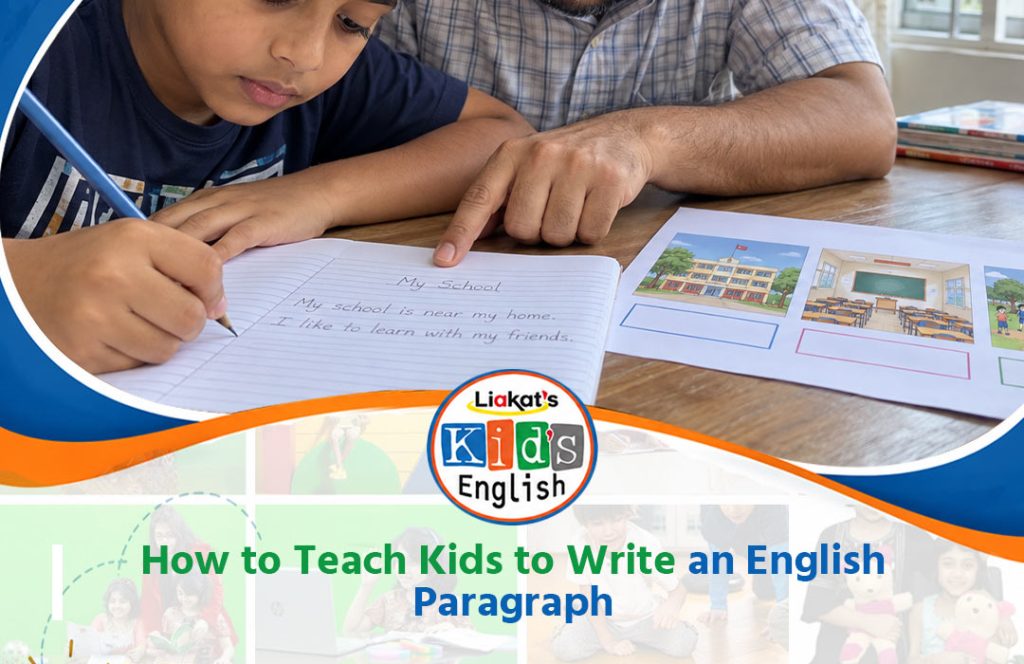
Your child can speak a few sentences in English. They can even write one or two lines in their notebook. But when the teacher says, “Write a paragraph about your best friend,” they sit and stare at the blank page. Sound familiar? You are not alone. Writing a paragraph is a big step for children […]
English Punctuation Rules for Kids With Easy Examples
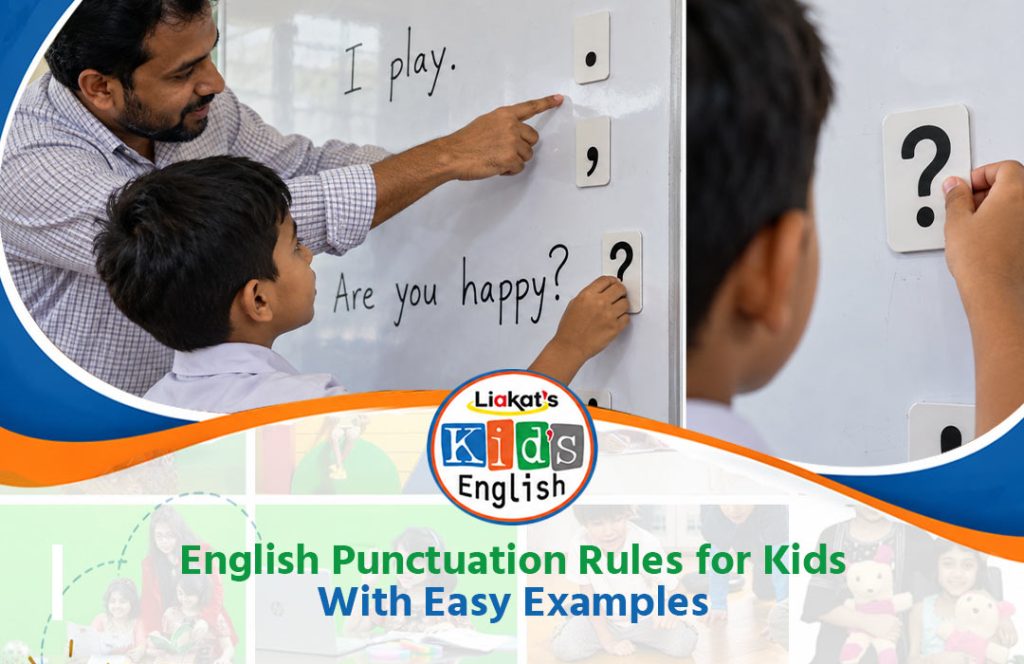
Read these two sentences out loud: Let’s eat Grandma! Let’s eat, Grandma! The words are almost the same, but one tiny comma changes everything. That is the power of punctuation. Punctuation marks are the small signs that tell readers where to pause, stop, ask or get excited. Without them, writing becomes confusing. With them, even […]
Common English Homophones for Kids With Examples
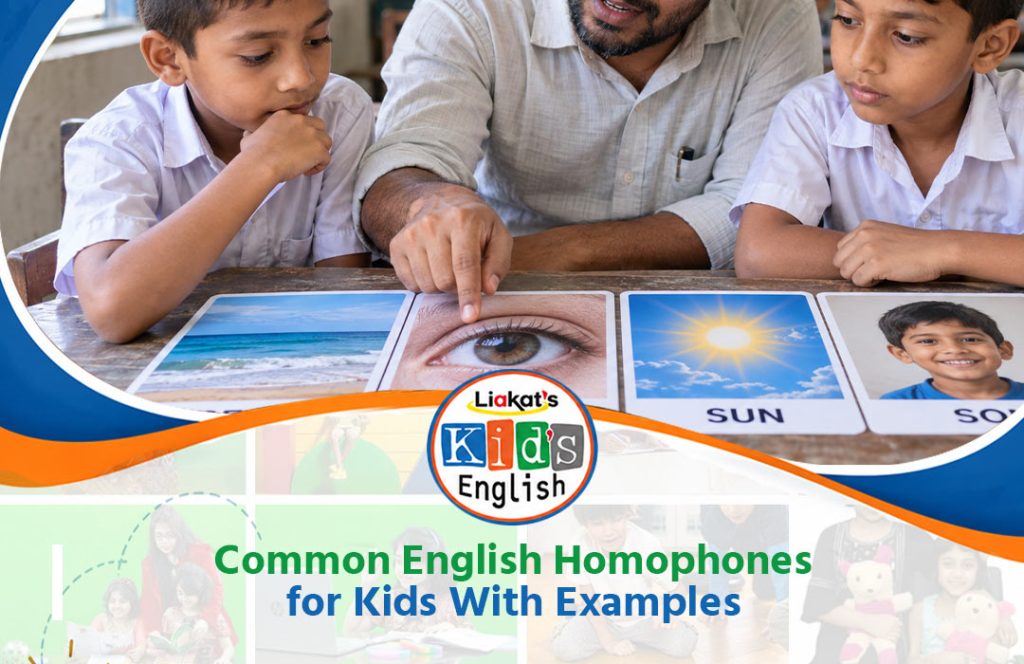
Have you ever read your child’s homework and found a sentence like “I want to go too the park”? Or “Their is a bird in the sea”? Don’t worry. This is one of the most common mix-ups in English, and it happens because of something called homophones. Homophones are tricky, but they are also fun. […]
How to Teach English Spelling to Kids: A Step-by-Step Guide
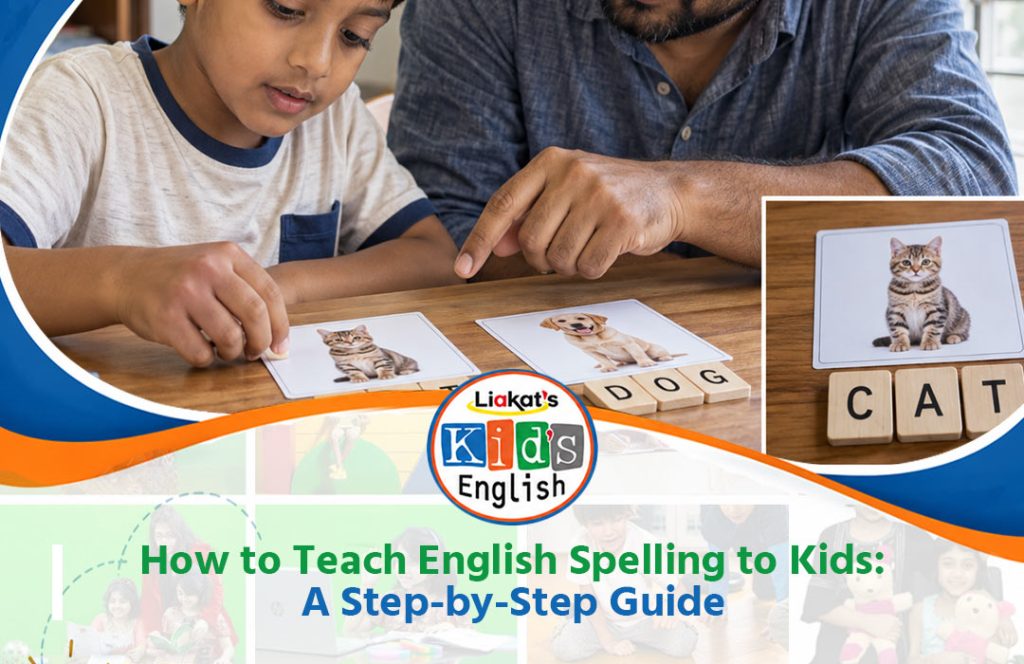
Your child can say “elephant” beautifully. But when it’s time to write it, out comes “elefant”, and suddenly spelling feels like a mountain. If this sounds familiar, you are not alone. English spelling is one of the trickiest parts of learning the language, and most children need patient, step-by-step guidance to get it right. The […]
English Listening Activities for Kids: 15 Fun Exercises
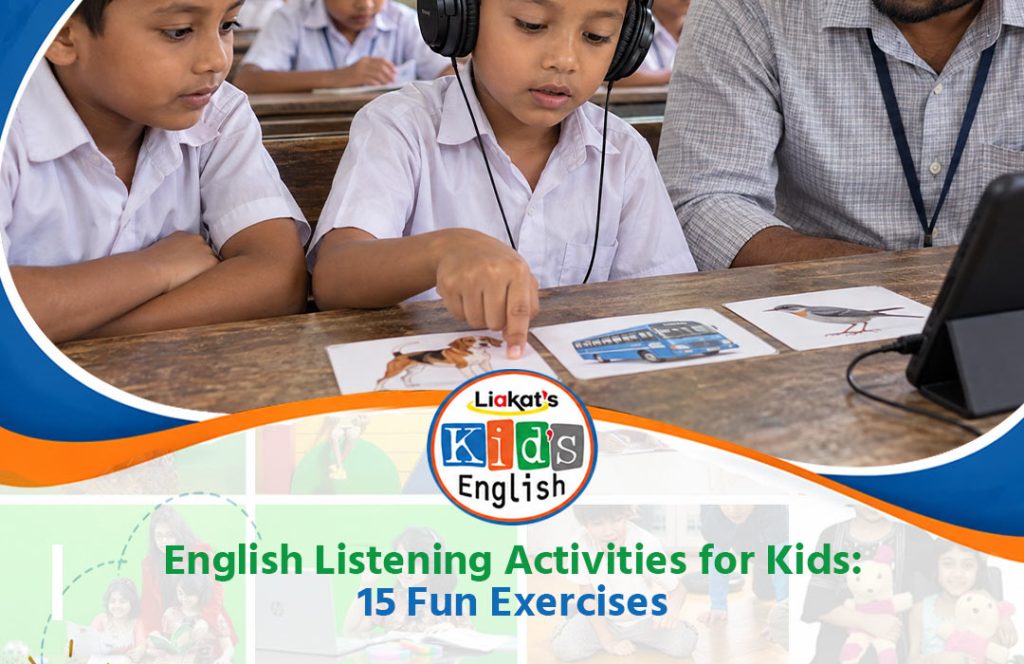
Think about how your child learned their first language. Long before they spoke a single word, they listened. For months, they heard voices, sounds, songs, and stories, and slowly it all started to make sense. English works the same way. A child who listens well finds it much easier to speak, read, and write later. […]
Daily English Speaking Practice for Kids; Simple Routine
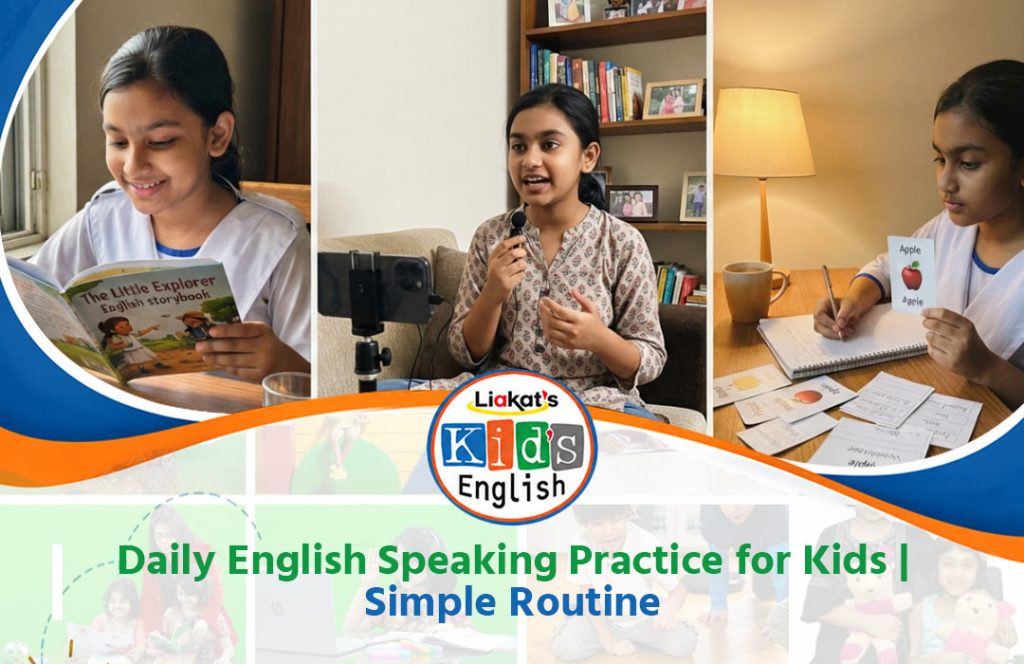
Learning to speak English takes regular practice. Children can improve their speaking skills when they have simple opportunities to listen, repeat, answer questions, and talk about everyday topics. They do not always need long lessons or difficult exercises. A short and enjoyable daily routine can make a big difference. Daily English speaking practice for kids […]
How to Improve English Speaking Skills for Children
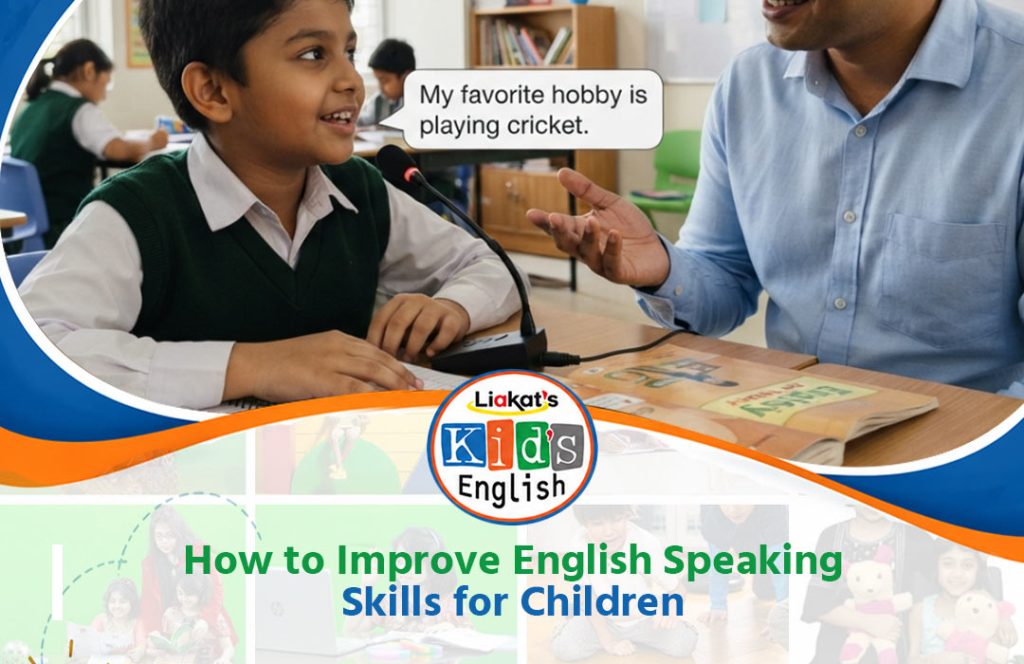
Good communication skills can help children express their ideas, feelings, and needs with confidence. Learning English from an early age can also give children more opportunities to communicate in school and everyday situations. However, children need regular speaking practice to become comfortable using English. Developing English speaking skills for children does not have to be […]
English Conversation Practice for Children; Easy Examples
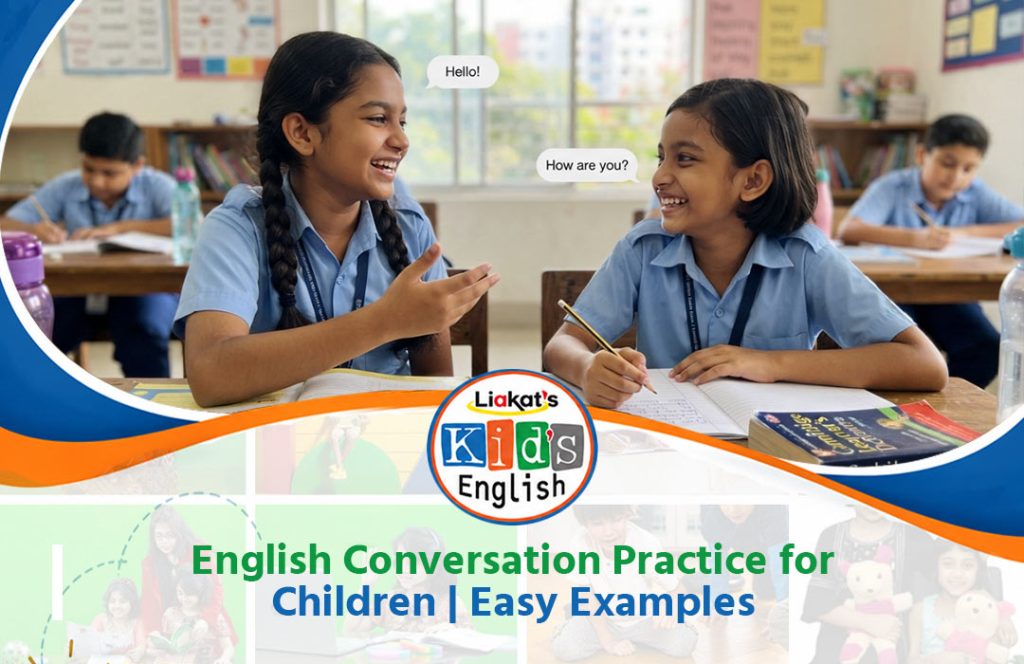
Learning English becomes easier for children when they get regular opportunities to speak and listen. Grammar and vocabulary are important, but children also need to use English in real conversations. English conversation practice for children helps them develop speaking confidence, improve vocabulary, and learn how to express their thoughts in simple English. Children do not […]
15 Fun English Learning Activities for Kids; Complete Guide
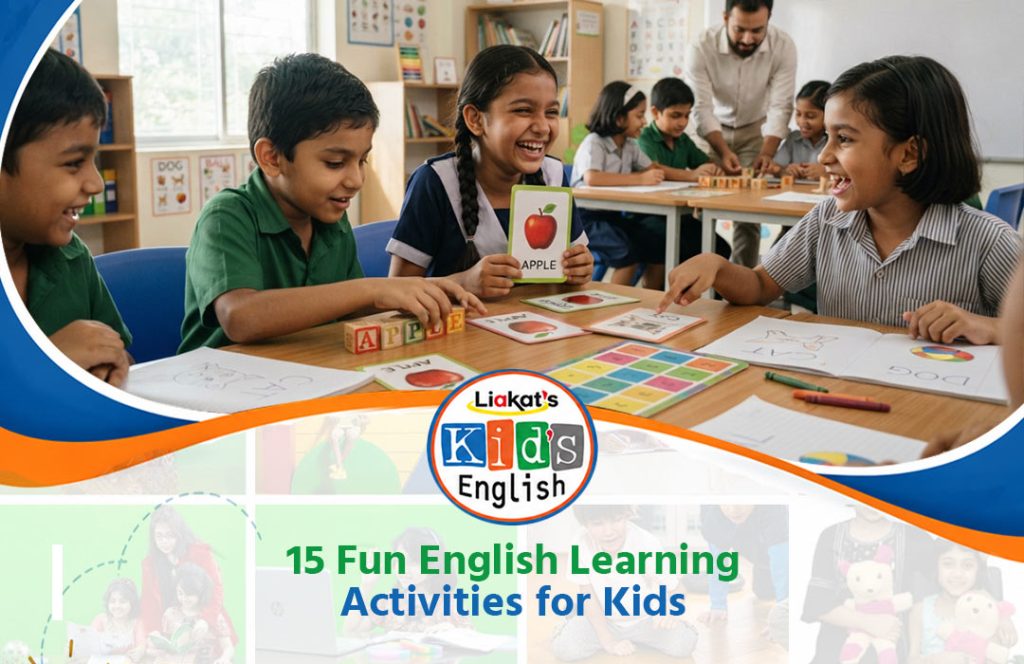
Learning English does not have to feel like studying for children. With the right activities, kids can learn new words, improve pronunciation, practise speaking, and develop their confidence while having fun. Regular, short, and varied English activities can help children stay interested and practise the language naturally. If you are a parent looking for simple […]
Can a Child Learn Spoken English Without Joining a Special Course?
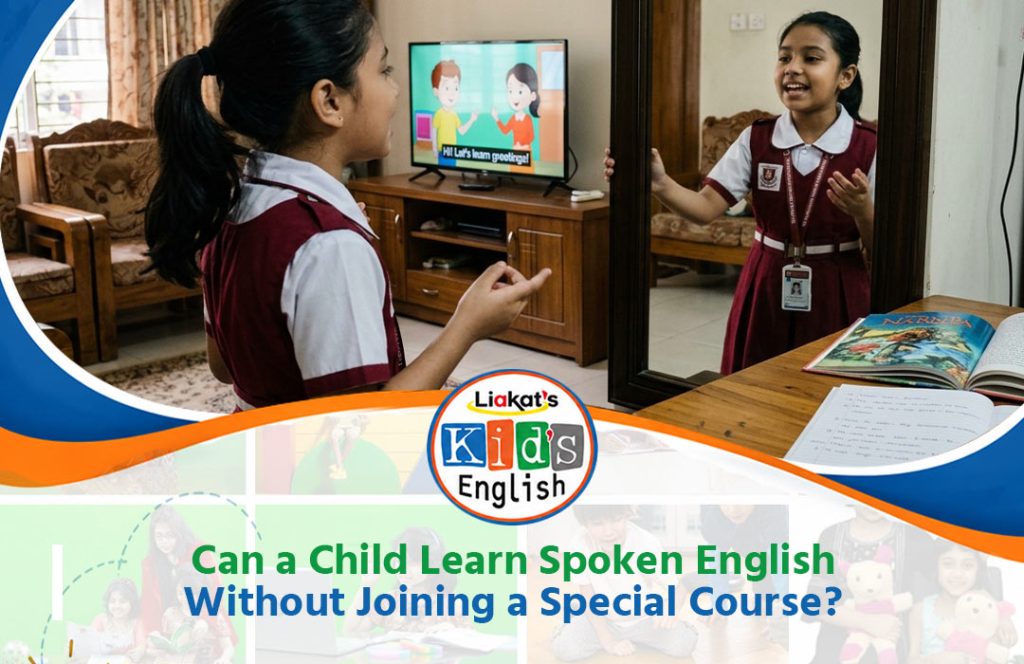
Many parents wonder, can child learn spoken English without joining a special English-speaking course? The answer is yes. Children can develop strong spoken English skills through regular practice, daily conversations, reading, listening, and a supportive learning environment. A special course can provide structured guidance, but it is not the only way for a child to […]