Learning English should feel safe, joyful, and encouraging—especially for children. That is why gentle English practice for kids has become one of the most trusted methods for modern parents. Instead of pressure, fear, or memorization, this approach focuses on natural learning, confidence building, and slow progress.
At https://liakatskids.com/, gentle learning is always prioritized so children can enjoy English while improving daily.
What Is Gentle English Practice and Why It Works for Kids
Gentle English practice for kids is a stress-free learning method where children are not forced to speak, memorize, or perform. English is introduced naturally through daily activities, games, stories, and conversation.
Children learn better when:
- They feel safe
- Mistakes are accepted
- Learning feels like play
This method works because the brain absorbs language without fear, just like a child learns their mother tongue.
Benefits of Stress-Free English Learning for Children
Many benefits are seen when English is learned gently:
- Confidence is built slowly and naturally
- Speaking fear is reduced
- Vocabulary grows without pressure
- Listening skills improve faster
- Learning becomes enjoyable
Children who follow gentle English practice are often more fluent, more confident, and more willing to speak over time.
Daily Gentle English Activities for Kids at Home
English practice does not need books all the time. Simple daily activities are enough:
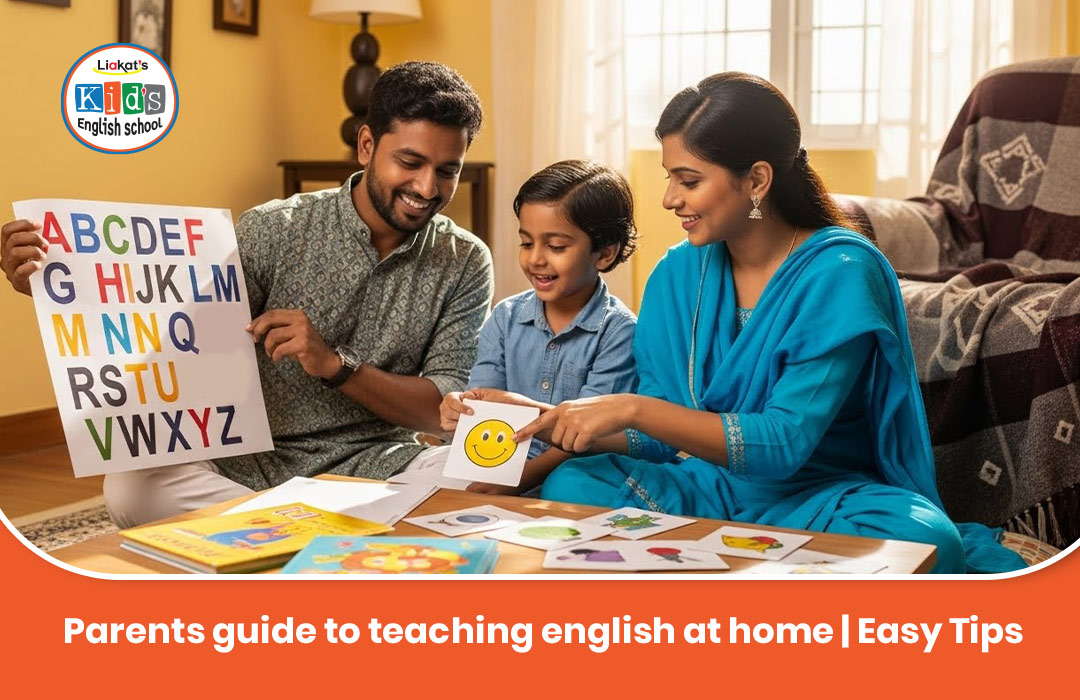
- Naming objects around the house
- Watching short English cartoons
- Talking about food, colors, or toys
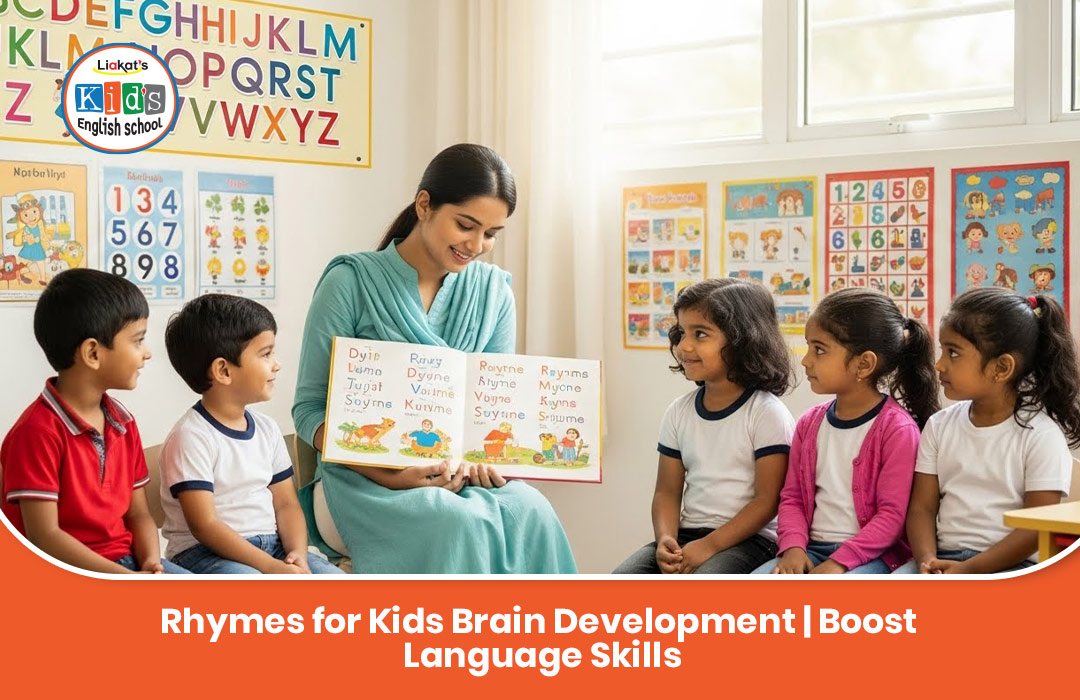
- Singing English rhymes together
- Reading picture books aloud
These activities are easy to follow and can be done in just 15–20 minutes a day.
How to Encourage Kids to Speak English Without Pressure
Speaking should never be forced. Instead:
- English should be modeled, not demanded
- Children should be praised for effort, not accuracy
- Silence should be allowed
When kids feel comfortable, English will be spoken naturally. This is the heart of gentle English practice for kids.
Fun and Interactive Ways to Learn English Gently
Fun learning brings faster results. Some effective methods include:
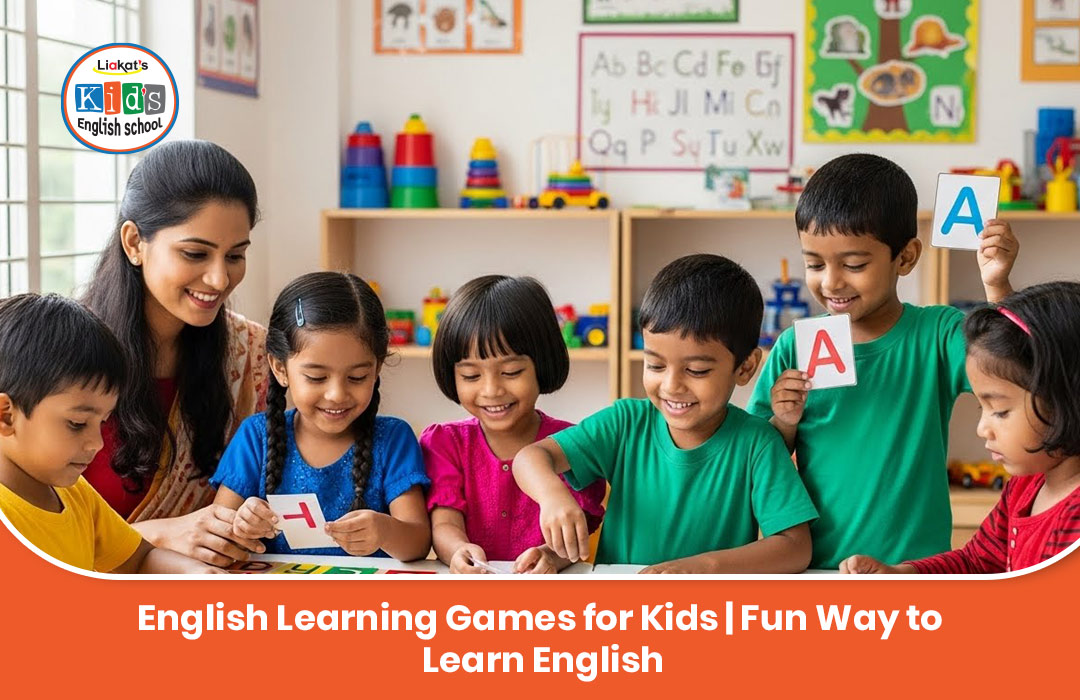
- Role play games
- Flashcards with pictures
- Simple storytelling
- English puzzle games
- Interactive learning apps
When learning feels like play, progress is made without stress.
Gentle English Practice for Toddlers and Preschoolers
For toddlers and preschoolers, learning should be visual and sound-based.
Best practices include:
- Nursery rhymes
- Action songs
- Color and animal games
- Repeating simple words
At this stage, listening matters more than speaking. Progress is felt, not measured.
Using Stories and Songs for Relaxed English Learning
Stories and songs are powerful tools. Through repetition and rhythm:
- Vocabulary is remembered easily
- Pronunciation improves naturally
- Interest stays high
Short stories and songs should be repeated daily. This repetition helps English settle into memory without effort.
Tips for Parents: Motivating Kids Without Forcing Them
Parents play a big role in gentle learning:
- Learning should be encouraged, not controlled
- Mistakes should never be corrected harshly
- Progress should be celebrated
When parents stay calm, children stay confident.
How Gentle English Practice Improves Confidence
Confidence is not taught—it is built. With gentle English practice:
- Fear of mistakes disappears
- Speaking feels safe
- Self-expression improves
A confident child learns faster and enjoys English more.
Tracking Progress Without Stress: Easy Methods
Progress does not need exams. Instead:
- Notice new words being used
- Observe better understanding
- Listen to improved pronunciation
Slow progress is still progress. Gentle learning respects every child’s pace.
Frequently Asked Questions (FAQs)
What age is best for gentle English practice for kids?
Gentle English practice can start as early as 2 years old and works well for all age groups.
How long should kids practice English daily?
Just 15–30 minutes a day is enough when learning is gentle and consistent.
Is gentle English practice effective for shy kids?
Yes, it is especially helpful for shy children because pressure is removed.
Do kids need grammar lessons in gentle learning?
Grammar is learned naturally over time, not through memorization.
Can parents teach gentle English at home?
Yes, parents can easily support learning with simple daily activities.
When will my child start speaking English confidently?
Every child is different, but confidence usually improves within a few months.
Final Thoughts
Gentle English practice for kids is not about speed—it is about confidence, comfort, and consistency. When learning feels safe, children grow naturally into confident English speakers.
If you want your child to learn English without fear or pressure, gentle learning is the smartest choice.
Start today with https://liakatskids.com/ and give your child a happier English learning journey.