Children learn best when learning feels like play. One of the most powerful and enjoyable tools for early learning is rhymes. Research-backed and parent-approved, rhymes for kids brain development play a vital role in building language, memory, and cognitive skills from an early age.
This guide explains how rhymes support children’s mental growth, which rhymes work best, and how parents can use them daily for better learning outcomes.
How Rhymes Help Children Develop Language Skills
Rhymes introduce children to sound patterns, rhythm, and repetition, which are essential for language learning. When rhymes are heard regularly, children start recognizing sounds faster. Pronunciation becomes clearer, and sentence structure is understood naturally.
Language development is strengthened because:
- Listening skills are improved
- Word recognition becomes easier
- Speaking confidence is built gradually
Through rhymes, language is absorbed without pressure, making learning smooth and effective.
Top 10 Rhymes That Boost Kids’ Brain Development
Some classic rhymes are proven to support brain growth. These rhymes are easy to remember and loved by kids:
- Twinkle Twinkle Little Star
- Baa Baa Black Sheep
- Humpty Dumpty
- Wheels on the Bus
- Jack and Jill
- Hickory Dickory Dock
- Old MacDonald Had a Farm
- If You’re Happy and You Know It
- Rain Rain Go Away
- Row Row Row Your Boat
These rhymes stimulate memory, rhythm recognition, and emotional response, which are key for brain development.
The Connection Between Rhymes and Memory Improvement in Kids
Memory skills are enhanced through repetition and predictable patterns. Rhymes naturally follow this structure. When children repeat rhymes, neural connections are strengthened.
Benefits include:
- Better recall ability
- Improved listening attention
- Faster learning of new concepts
Memory improvement through rhymes prepares children for reading, writing, and classroom learning.
Rhymes for Kids: Enhancing Vocabulary and Pronunciation
Vocabulary grows faster when words are heard repeatedly in a fun context. Rhymes expose children to new words, sounds, and expressions in a natural way.
Pronunciation improves because:
- Sounds are repeated clearly
- Mouth movements are practiced
- Confidence in speaking increases
Rhymes help children speak more clearly and understand word meanings without formal teaching.
Why Regular Rhyme Practice Improves Cognitive Skills
Cognitive skills such as thinking, understanding, and problem-solving are supported by rhyme learning. When rhymes are practiced daily, brain activity is stimulated consistently.
Regular rhyme practice supports:
- Faster processing of information
- Better focus and attention span
- Improved pattern recognition
This makes rhymes a powerful tool for early cognitive development.
Easy Rhymes Parents Can Teach at Home
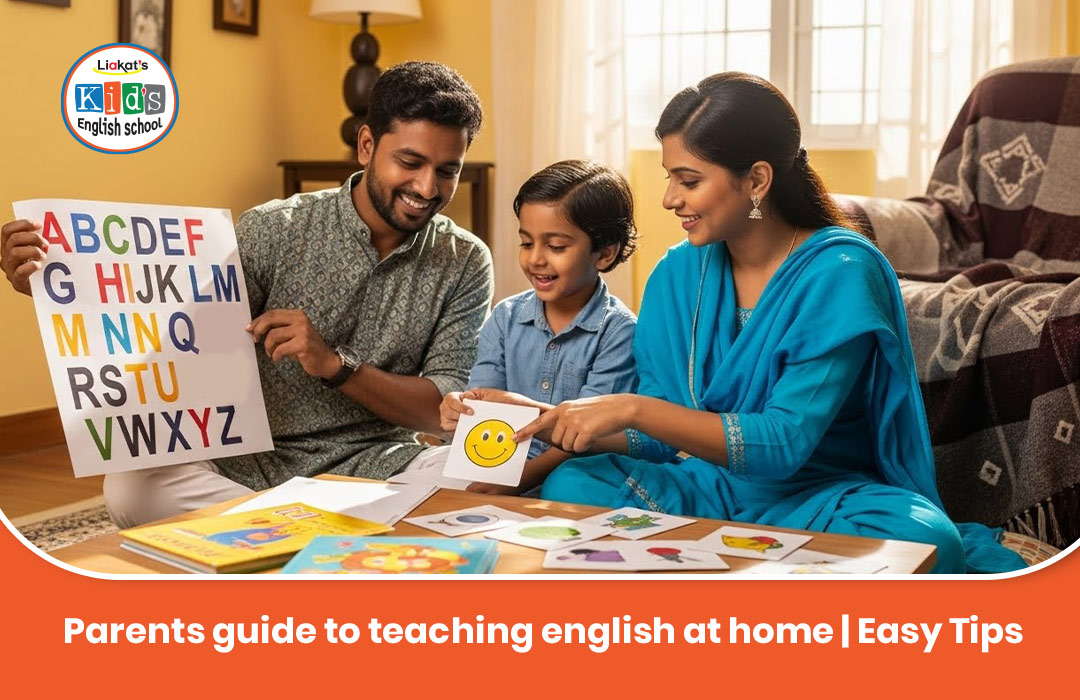
No special training is needed. Simple rhymes can be taught at home during daily routines.
Best moments include:
- Before bedtime
- During playtime
- While traveling
- During meal breaks
Short rhyme sessions create meaningful learning moments without stress.
How Rhymes Encourage Creativity and Imagination
Imagination grows when children visualize stories and characters from rhymes. Creative thinking is encouraged through rhythm and storytelling.
Children start:
- Creating their own rhymes
- Acting out rhyme scenes
- Expressing emotions freely
This creative development supports emotional intelligence and confidence.
Rhymes for Kids of Different Age Groups
Rhymes should match the child’s age for best results:
- Ages 1–2: Simple sound-based rhymes
- Ages 3–4: Action rhymes with movements
- Ages 5–6: Story-based rhymes with meaning
Age-appropriate rhymes ensure steady learning and engagement.
Combining Rhymes with Fun Activities for Better Learning
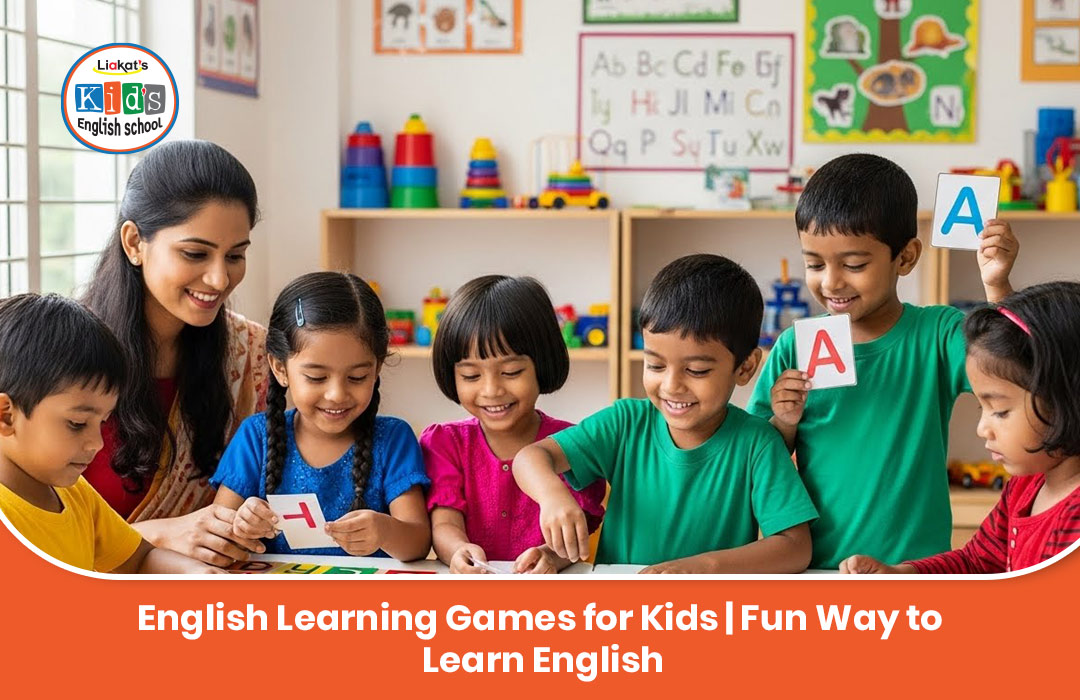
Learning improves when rhymes are paired with activities.
Effective combinations include:
- Singing with actions
- Drawing rhyme characters
- Dancing to rhyme rhythms
- Using flashcards with rhymes
This multisensory approach strengthens learning retention.
Tips to Make Rhyme Learning a Daily Habit
Consistency matters more than duration. A few minutes daily is enough.
Helpful tips:
- Set a fixed rhyme time
- Repeat favorite rhymes
- Join in with actions
- Praise participation
With daily practice, noticeable brain development improvements are seen.
Frequently Asked Questions (FAQs)
How do rhymes help kids brain development?
Rhymes improve memory, language, and cognitive skills through repetition and rhythm.
At what age should children start learning rhymes?
Rhymes can be introduced from infancy for early brain stimulation.
Are rhymes better than flashcards?
Rhymes are more engaging and improve natural language learning.
How many rhymes should kids learn daily?
2–3 rhymes daily are enough for effective learning.
Can rhymes improve pronunciation?
Yes, regular rhyme practice improves sound clarity and speech confidence.
Are action rhymes more effective?
Action rhymes enhance learning by combining movement and sound.