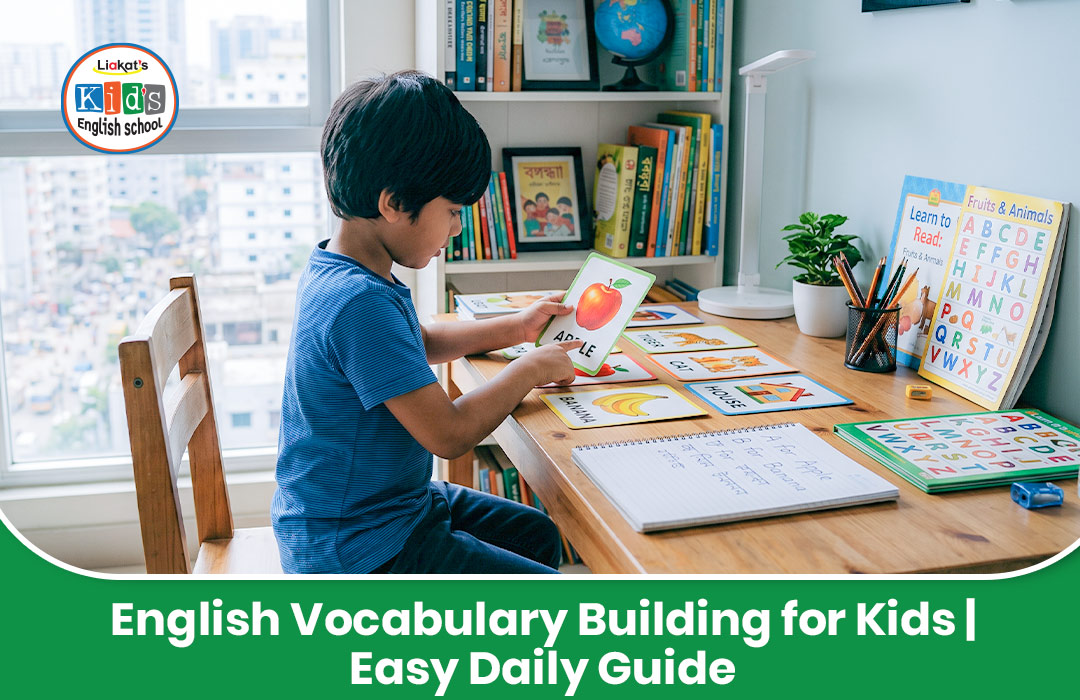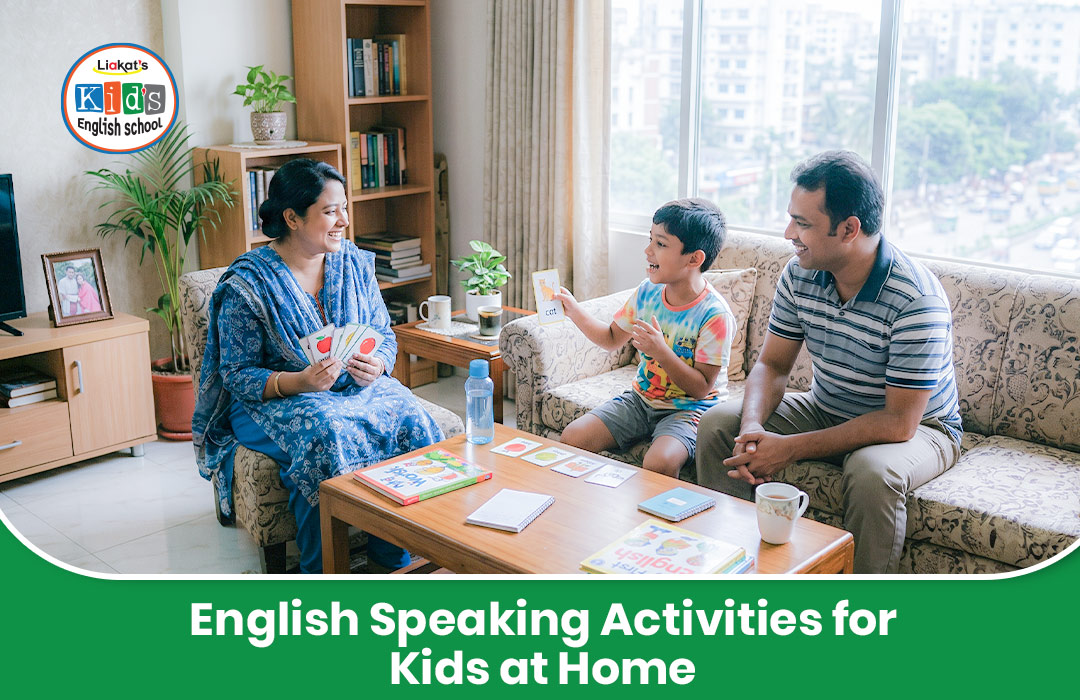
Easy English storybooks help children learn new words naturally through fun stories, colorful characters, and simple sentences. Reading storybooks daily can improve vocabulary for children, increase speaking confidence, and build better English communication skills at an early age.
Why Storybooks Are Important to Improve Vocabulary for Children
Children learn faster when learning becomes enjoyable. Therefore, easy English storybooks are considered one of the best tools to improve vocabulary for children. New words are introduced naturally through stories, pictures, and conversations. As a result, children can understand meanings more easily.
Moreover, storybooks create curiosity. Kids become interested in reading because stories feel entertaining instead of difficult. Consequently, vocabulary growth happens without pressure.
Parents and teachers are also benefited because storybooks can be used both at home and in classrooms. In addition, children can remember words for a longer time when they are connected to emotions and storytelling.
Benefits of Easy English Storybooks for Kids
1. Better Word Recognition
Children are exposed to simple and repeated vocabulary. Therefore, common English words become familiar quickly.
2. Improved Speaking Confidence
When children learn new words regularly, speaking confidence is naturally improved. They can express ideas more clearly.
3. Strong Reading Habits
Reading habits are developed early through fun storybooks. As a result, lifelong learning skills are built.
4. Faster Language Development
Storybooks help children understand sentence structures, grammar, and pronunciation naturally.
5. Increased Imagination
Creative thinking is encouraged through storytelling. Children enjoy learning while exploring imaginary worlds.
Best Types of Storybooks to Improve Vocabulary for Children
Different types of books can help children learn English effectively. However, easy and engaging books should always be selected.
Picture Storybooks
Picture books are highly recommended for beginners. Images help children understand new words quickly.
Rhyming Storybooks
Rhyming stories improve pronunciation and listening skills. They are also more memorable.
Short Moral Stories
Moral stories teach values while improving vocabulary and comprehension skills.
Interactive Storybooks
Books with activities, questions, and games keep children engaged for a longer time.
Storybooks vs Traditional Learning
| Feature | Storybooks | Traditional Learning |
| Fun Level | High | Moderate |
| Vocabulary Learning | Natural | Memorization-based |
| Child Engagement | Strong | Sometimes limited |
| Speaking Improvement | Faster | Slower |
| Creativity Development | Excellent | Average |
| Learning Pressure | Low | High |
Step-by-Step Guide to Improve Vocabulary for Children
Step 1: Choose Age-Appropriate Storybooks
Simple books with colorful pictures and short sentences should be selected first. Difficult books may reduce interest.
Step 2: Read Daily
A daily reading habit should be created. Even 15 minutes every day can make a big difference.
Step 3: Repeat New Words
New vocabulary words should be repeated during conversations. This helps children remember them easily.
Step 4: Ask Questions
Parents can ask simple questions about the story. As a result, children become more active learners.
Step 5: Encourage Speaking
Children should be encouraged to use new words while talking with family members or friends.
Step 6: Use Fun Activities
Word games, flashcards, and storytelling activities can make vocabulary learning more exciting.
Easy Activities to Improve Vocabulary for Children
Vocabulary Games
Fun word games can make learning enjoyable. Children stay interested for longer periods.
Reading Aloud
Reading aloud improves pronunciation, fluency, and confidence simultaneously.
Story Retelling
Children can retell stories in their own words. This activity improves memory and speaking skills.
Word Journals
A small notebook can be used for writing new words and meanings daily.
Common Mistakes Parents Should Avoid
Many parents try to teach too many words at once. However, this approach can create pressure.
Here are some common mistakes:
- Choosing difficult books too early
- Forcing children to memorize words
- Ignoring pronunciation practice
- Not maintaining consistency
- Comparing children with others
Instead, learning should remain positive and enjoyable.
How Parents Can Support Vocabulary Learning
Parents play a major role in helping children improve vocabulary. Simple daily support can create excellent results over time.
Effective Parent Support Tips
- Read together regularly
- Celebrate small achievements
- Use English words in daily conversation
- Create a reading-friendly environment
- Encourage questions and curiosity
When parents stay involved, children become more motivated and confident learners.
Why English Storybooks Are Better for Young Learners
English storybooks are designed to make learning simple and enjoyable. Unlike traditional methods, stories create emotional connections. Therefore, children remember words naturally.
Additionally, storybooks improve multiple skills together:
- Reading skills
- Listening skills
- Speaking confidence
- Grammar understanding
- Sentence formation
Because of these combined benefits, storybooks are considered highly effective for vocabulary building.
Frequently Asked Questions
Storybooks introduce new words naturally through stories, pictures, and repetition, which makes learning easier and more enjoyable.
Children can start from the age of 3 or 4 with simple picture books and short stories.
Around 15–20 minutes daily is usually enough for steady vocabulary improvement.
Yes, picture books help children understand meanings visually and remember words faster.
Yes, regular reading improves pronunciation, sentence formation, and speaking confidence.
Simple picture storybooks, rhyming books, and short moral stories are best for beginners.
Conclusion
Easy English storybooks are one of the most powerful ways to improve vocabulary for children. They make learning enjoyable, stress-free, and highly effective. Through daily reading habits, children can develop better communication skills, stronger confidence, and improved English fluency.
If you want your child to become a confident English speaker and reader, start using easy English storybooks today. Explore more learning resources and child-friendly English materials at Liakats Kids and help your child build a brighter future through fun learning.