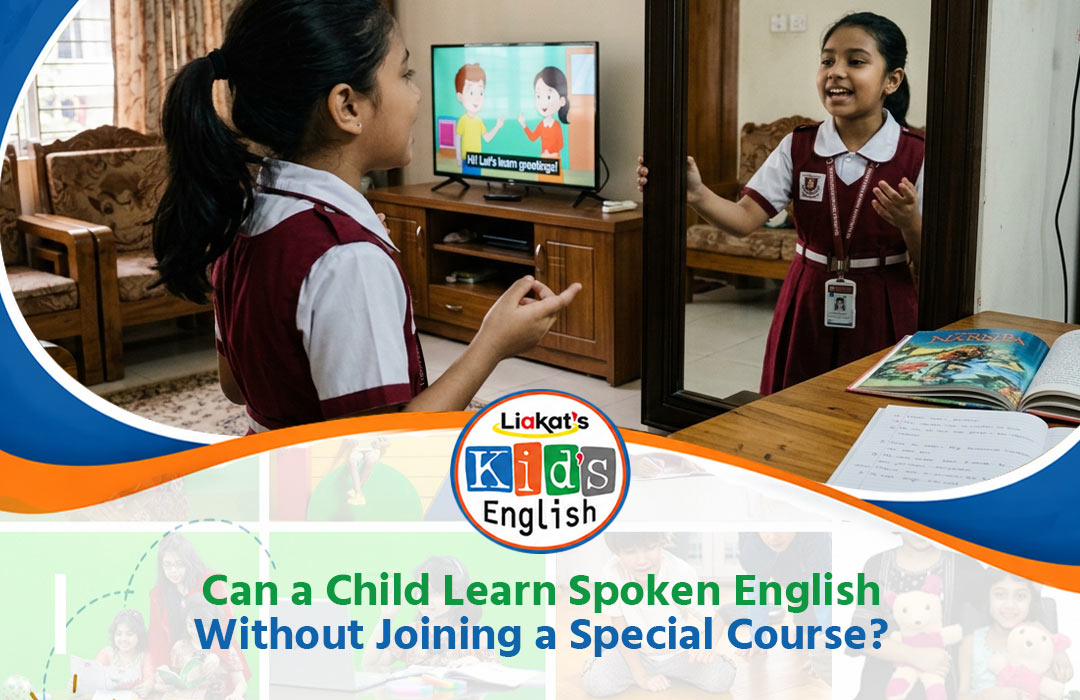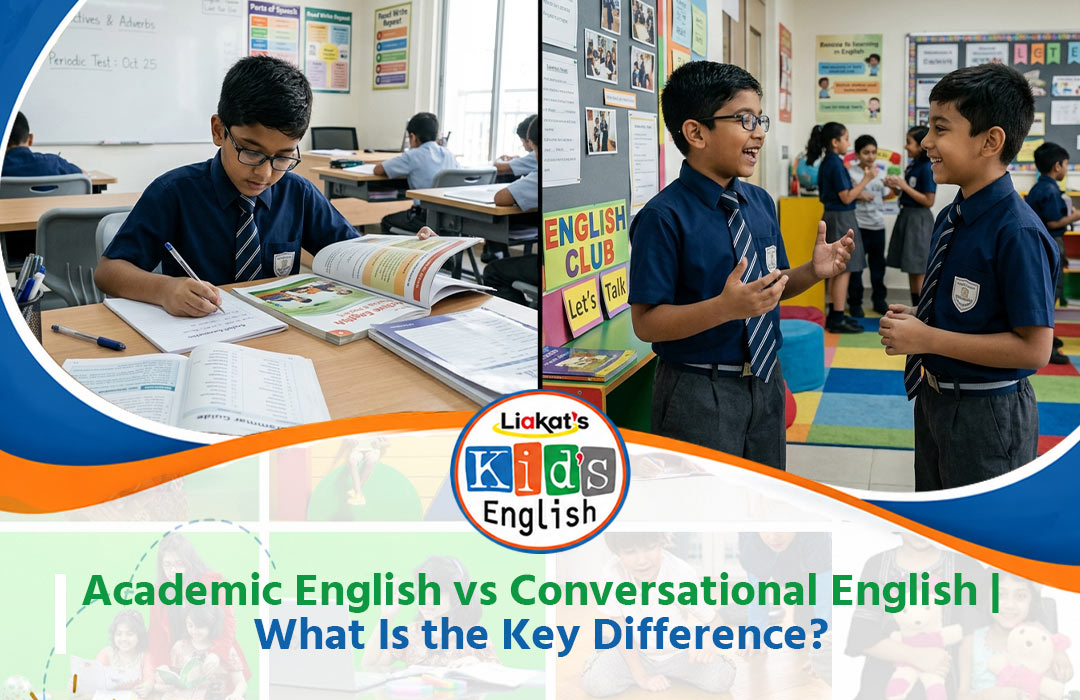
English speaking activities for kids are simple, fun exercises that help children practice speaking English clearly and confidently through games, storytelling, conversations, and daily practice at home.
Why English Speaking Activities Are Important for Kids
English speaking activities for kids are considered one of the most effective ways to build confidence at an early age. When children are exposed to daily speaking practice, their pronunciation and fluency are improved naturally.
Moreover, early speaking practice helps children express their ideas clearly. It also supports listening skills and vocabulary growth.
Key Benefits:
- Confidence in speaking English is developed early
- Pronunciation mistakes are corrected naturally
- Vocabulary is increased through daily practice
- Social communication skills are improved
- Fear of speaking English is reduced
As a result, children become more comfortable using English in school and daily life.
Easy English Speaking Activities for Beginners
Simple activities should be introduced first. These beginner-friendly speaking exercises can be practiced daily without stress.
Beginner Activity Ideas:
- Name and Object Game: Children describe objects around them.
- Picture Talk: Kids describe pictures using simple sentences.
- Daily Routine Talk: Talking about morning or evening activities.
- Question and Answer Practice: Parents ask simple questions daily.
- Word Repetition Practice: New words are repeated aloud.
These activities are designed to make learning fun and stress-free.
Fun Role-Playing Activities to Improve Speaking Skills
Role-playing is widely used in kids English speaking practice because it encourages imagination. Children enjoy pretending to be different characters, and their speaking skills are improved naturally.
Role-Playing Examples:
- Pretend to be a shopkeeper and customer
- Act as a teacher and student
- Play doctor and patient
- Create restaurant conversation scenes
These activities help children speak longer sentences confidently.
Daily Conversation Practice Ideas for Kids
Daily conversation practice is highly recommended. Even short conversations can create a big difference in speaking ability.
Daily Conversation Topics:
- What did you eat today?
- What is your favorite toy?
- How was your day at school?
- What do you want to do tomorrow?
- Describe your best friend.
Through daily speaking, fluency is gradually developed.
Storytelling Activities to Boost Speaking Confidence
Storytelling is considered one of the best English speaking activities for kids at home. Children enjoy telling stories, and creativity is encouraged during the process.
Storytelling Methods:
- Retelling short bedtime stories
- Creating new stories using pictures
- Completing half-told stories
- Acting out story characters
As stories are repeated, speaking confidence is improved significantly.
Using Games to Encourage English Speaking at Home
Games make learning enjoyable. Speaking activities become more engaging when fun games are included.
Popular Speaking Games:
- Word guessing games
- Vocabulary treasure hunt
- Sentence building race
- Memory card games
- English quiz games
Because of the fun environment, children remain motivated.
Individual vs Group Speaking Activities
| Feature | Individual Activities | Group Activities |
| Confidence Building | Medium | High |
| Interaction Level | Low | High |
| Speaking Practice | Limited | More Opportunities |
| Fun Factor | Moderate | Very High |
| Best For | Beginners | Intermediate Learners |
Both methods should be combined for better results.
Weekly English Speaking Activity Plan for Kids
A structured weekly plan helps children stay consistent. The following simple plan can be followed at home.
Step 1: Choose Daily Topics
Simple topics should be selected such as food, toys, or school.
Step 2: Set Practice Time
15–20 minutes should be fixed every day.
Step 3: Mix Different Activities
Storytelling, games, and conversation practice should be rotated.
Step 4: Encourage Mistakes
Children should not be criticized. Instead, gentle correction should be provided.
Step 5: Review Progress Weekly
At the end of each week, improvement should be observed and encouraged.
By following these steps, speaking skills are gradually strengthened.
How Parents Can Support English Speaking Practice
Parents play an important role in improving children’s English skills. Their support makes learning easier and more enjoyable.
Parent Support Tips:
- Speak simple English at home
- Encourage daily speaking practice
- Use English learning tools
- Praise children’s efforts
- Create a friendly speaking environment
With proper guidance, kids become more confident speakers.
Frequently Asked Questions
Simple games, storytelling, role-playing, and daily conversations are considered the best speaking activities.
About 15–30 minutes daily is usually enough for noticeable improvement.
Yes, with regular practice and parental support, speaking skills can be improved effectively at home.
Children can start simple speaking activities from age 4 or above.
Fun games, storytelling, and praise can help shy kids speak more confidently.
Group activities provide more interaction, but individual practice is also important for beginners.
Conclusion
Looking for the best English speaking activities for kids that are easy and fun?
Visit Liakat Kids today to explore expert-designed lessons, activity ideas, and beginner-friendly English speaking programs for children. Start improving your child’s confidence and fluency now!