Teaching new English words to kids is the process of helping children learn vocabulary through fun activities, games, daily conversations, reading, and interactive learning methods. Simple and engaging techniques improve memory, speaking confidence, and communication skills in children.
Why It Is Important to Teach New English Words to Kids
Teaching vocabulary at an early age helps children communicate clearly and confidently. New English words are remembered faster when learning is made enjoyable and interactive. Moreover, children become more interested in reading, speaking, and listening activities when simple words are introduced regularly.
When kids learn new vocabulary every day, stronger language skills are developed naturally. As a result, school performance can also be improved significantly.
Benefits of Teaching English Vocabulary to Kids
- Better communication skills
- Improved reading ability
- Stronger listening skills
- Increased speaking confidence
- Faster learning ability
- Better academic performance
Best Methods to Teach New English Words to Kids
Different children learn in different ways. Therefore, a mix of visual, audio, and practical activities should be used. These methods are highly effective and easy to follow at home or in the classroom.
1. Use Flashcards for Easy Vocabulary Learning
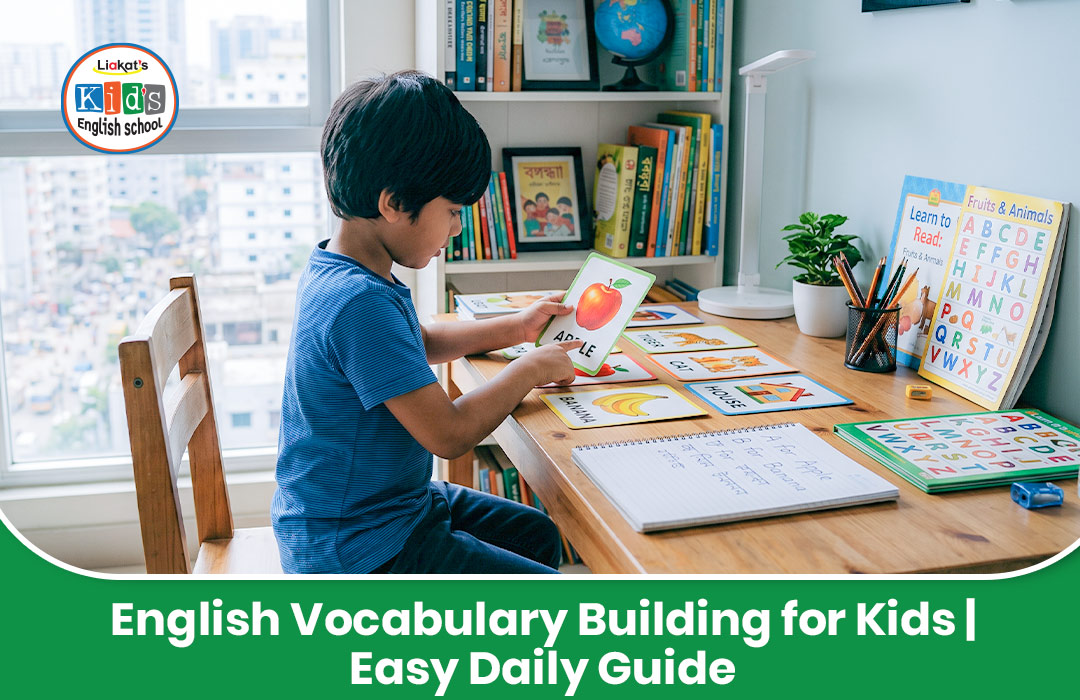
Flashcards are considered one of the easiest ways to teach new English words to kids. Colorful pictures and simple words help children remember vocabulary quickly.
Tips for Using Flashcards
- Use bright and colorful images
- Show one word at a time
- Repeat words daily
- Ask kids to pronounce the words loudly
Common vocabulary words like apple, cat, dog, school, and water can be introduced first.
2. Teach Through Storytelling
Storytelling makes learning more exciting and natural. Children usually remember words better when they hear them inside stories.
For example, simple bedtime stories can introduce action words, colors, animals, and emotions naturally. In addition, kids become emotionally connected to stories, which improves word retention.
Popular Vocabulary Topics for Stories
- Animals
- Fruits
- Family members
- Toys
- Nature
- Daily activities
3. Play Fun Word Games
Games make vocabulary lessons enjoyable and stress-free. Kids often learn faster when they are having fun.
Fun Vocabulary Games
- Word matching games
- Picture guessing games
- Memory card games
- Spelling competitions
- Alphabet puzzles
Because of these activities, learning motivation can be increased greatly.
Traditional vs Fun Vocabulary Learning
| Traditional Learning | Fun Vocabulary Learning |
| Memorization only | Interactive learning |
| Less engagement | High engagement |
| Repetition feels boring | Activities feel exciting |
| Limited speaking practice | More communication practice |
| Slow vocabulary growth | Faster vocabulary improvement |
Step-by-Step Guide to Teach New English Words to Kids
Teaching vocabulary becomes easier when a proper routine is followed. Below is a simple step-by-step guide that can be applied daily.
Step 1: Start with Simple Words
Easy words should be introduced first. For example:
- Ball
- Car
- Tree
- Book
- Milk
Children feel more confident when familiar objects are used.
Step 2: Repeat Words Daily
Repetition is extremely important in language learning. Words should be repeated through speaking, listening, and reading activities.
Daily Practice Ideas
- Ask kids to name objects around the house
- Repeat vocabulary during meals
- Use English words during playtime
Step 3: Use Visual Learning
Pictures, cartoons, and videos help children connect words with real objects. As a result, understanding becomes faster and more natural.
Visual learning techniques are especially helpful for beginner learners.
Step 4: Encourage Speaking Practice
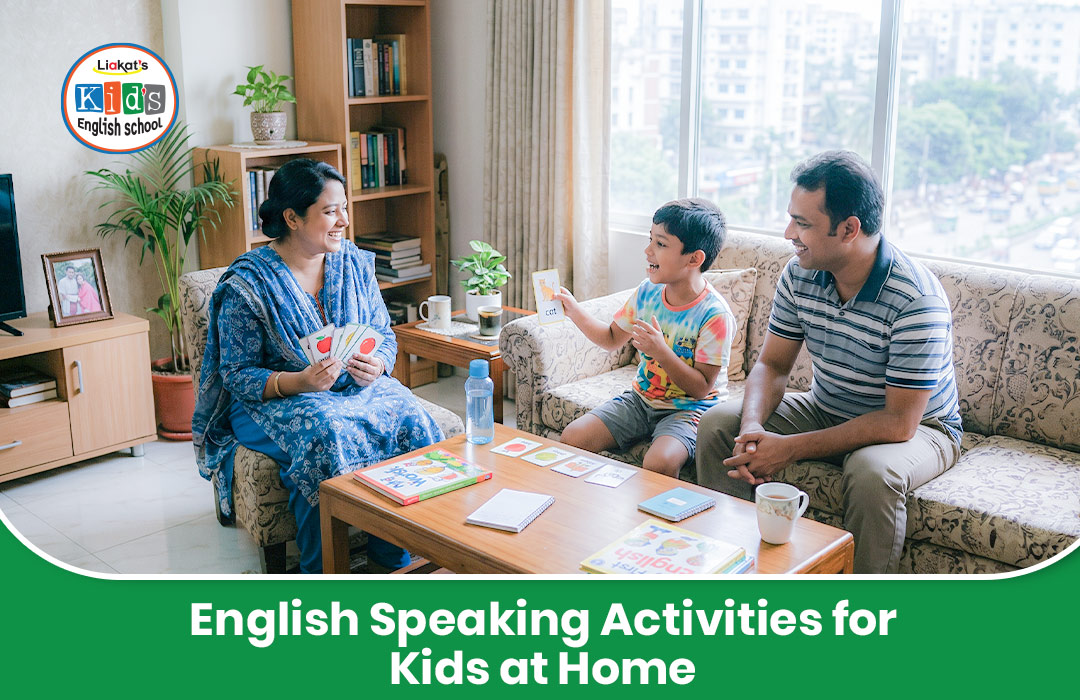
Children should be encouraged to use new words in sentences. Even simple conversations can improve confidence.
Example Sentences
- “I have a red ball.”
- “The cat is sleeping.”
- “I like apples.”
Speaking practice helps vocabulary stay in long-term memory.
Step 5: Reward Progress
Small rewards can motivate children to learn more vocabulary words. Stickers, stars, or simple praise work very well.
Positive encouragement creates a happy learning environment.
Easy Activities to Improve Kids’ English Vocabulary
Sing English Songs
Songs help children remember pronunciation and sentence patterns naturally. Rhyming words are learned very quickly through music.
Label Household Items
Labels can be placed on common objects like doors, tables, windows, and chairs. This method improves daily word recognition.
Read Picture Books Together
Picture books improve vocabulary, imagination, and sentence understanding at the same time.
Watch Educational Cartoons
Educational videos and cartoons introduce new vocabulary in an entertaining way.
Common Mistakes Parents Should Avoid
Sometimes vocabulary learning becomes difficult because of common teaching mistakes.
Avoid These Mistakes
- Teaching too many words at once
- Using difficult vocabulary early
- Forcing children to memorize
- Ignoring speaking practice
- Making lessons too long
Instead, short and fun sessions should be maintained regularly.
Frequently Asked Questions
The best way is through games, storytelling, songs, and daily conversations. Fun learning methods improve memory faster.
Around 3 to 5 new words daily are considered effective for young learners.
Yes. Flashcards help children remember words visually and improve word recognition quickly.
Repetition helps words move into long-term memory and improves pronunciation confidence.
Yes. Educational cartoons improve listening skills, pronunciation, and vocabulary naturally.
Parents can use songs, games, storytelling, rewards, and interactive activities to create enjoyable lessons.
Conclusion
Learning vocabulary does not have to feel difficult or boring. When fun activities, storytelling, games, and visual learning are combined, children can learn English words naturally and confidently. Moreover, regular practice and positive encouragement make vocabulary learning more effective.
If you want your child to improve English speaking and vocabulary skills faster, start using these simple techniques today. Visit Liakats Kids for more fun English learning tips, vocabulary activities, and educational resources designed especially for kids.