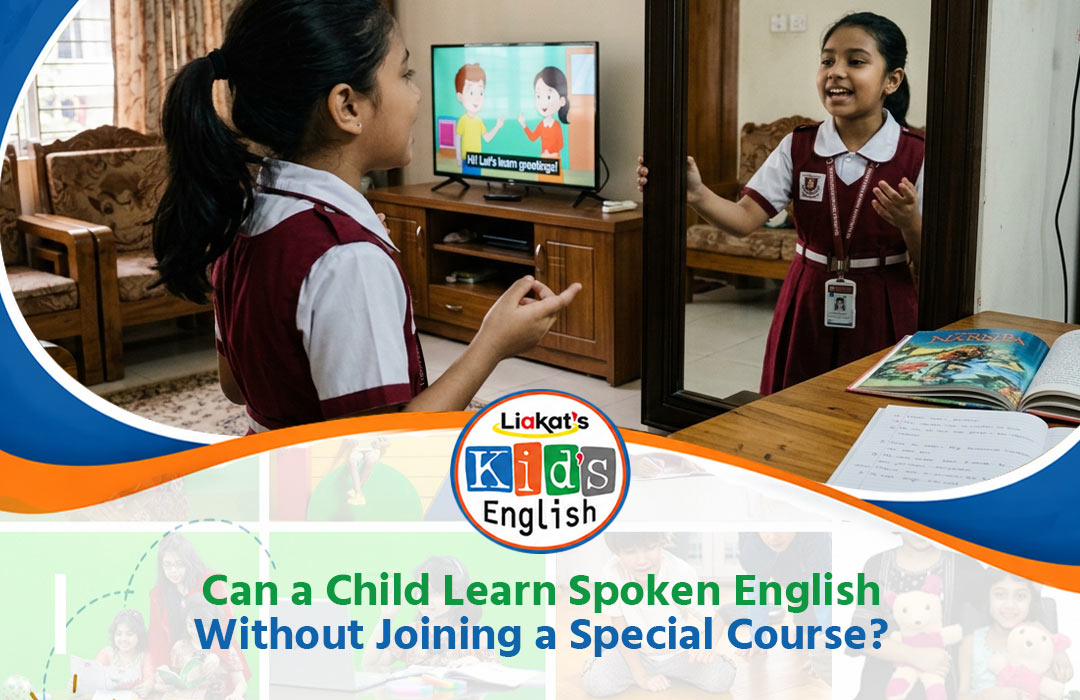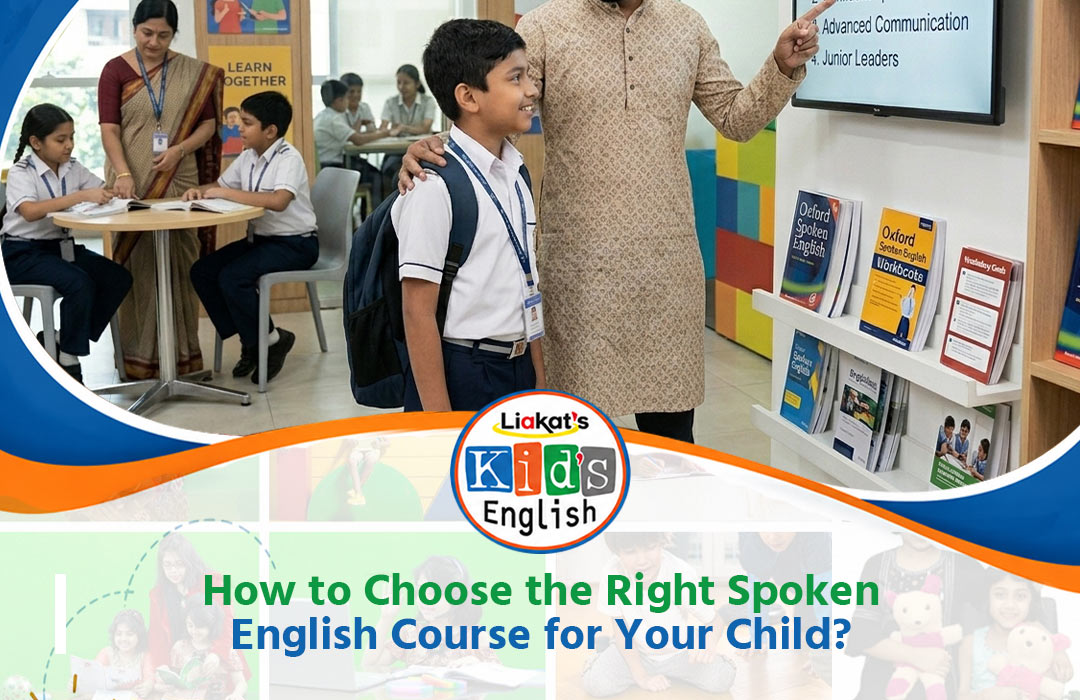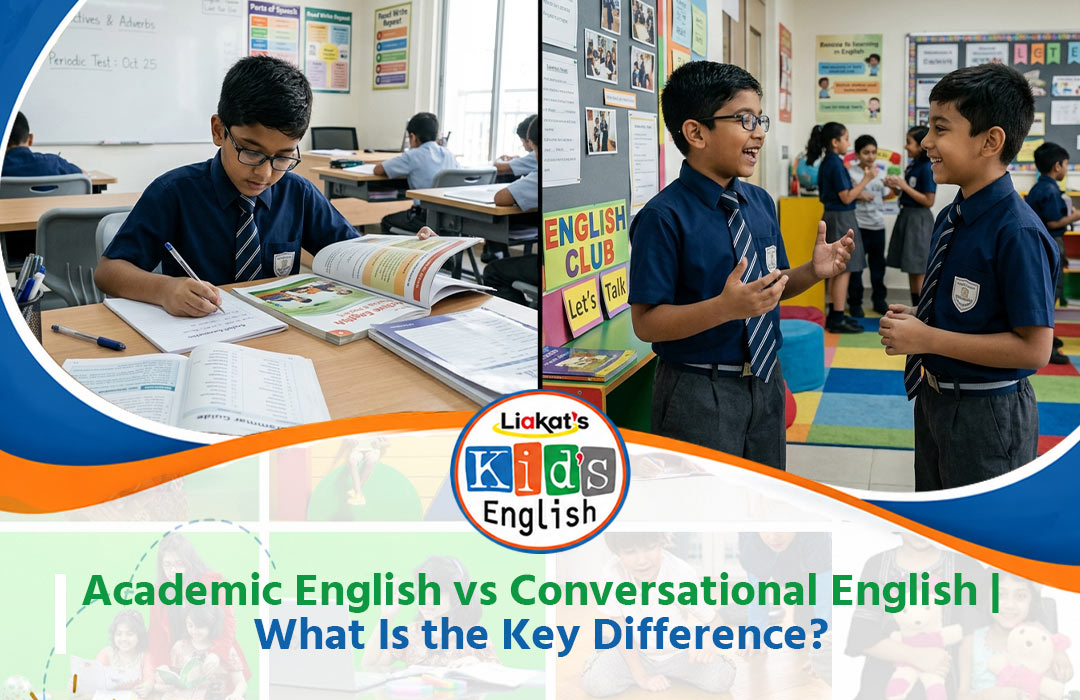
Grammar lessons for kids are structured learning activities designed to teach children how to use nouns, verbs, adjectives, and sentences correctly. These lessons are usually delivered through games, stories, worksheets, and daily practice routines to make learning simple and enjoyable.
What Are Grammar Lessons for Kids and Why They Matter
Grammar lessons for kids are essential because correct grammar helps children express ideas clearly. When grammar skills are taught early, strong communication habits are developed naturally.
Children who receive regular grammar practice are usually seen to perform better in reading, writing, and speaking tasks. Moreover, grammar builds confidence in school communication and daily conversations.
Why Grammar Lessons Are Important
- Clear sentence formation is learned
- Writing mistakes are reduced
- Reading comprehension is improved
- Speaking confidence is increased
- Academic performance is supported
Therefore, grammar lessons should be introduced gradually and consistently.
Best Age to Start Teaching Grammar to Children
Grammar learning is usually recommended to start between 4 and 6 years old. At this age, children become curious about words and sentence formation.
However, formal grammar rules should not be forced too early. Instead, simple activities such as storytelling and picture-based learning should be used first.
Age-Based Grammar Learning Guide
| Age Group | Grammar Focus |
| 4–5 Years | Simple words and naming objects |
| 6–7 Years | Basic sentence formation |
| 8–9 Years | Nouns, verbs, adjectives |
| 10–12 Years | Tenses and punctuation |
As a result, grammar learning becomes smoother and stress-free.
Basic Grammar Topics Every Kid Should Learn First
Before advanced grammar is introduced, core grammar topics should be mastered. These basic topics create a strong foundation for future learning.
Essential Grammar Topics
- Nouns (names of people, places, and things)
- Verbs (action words)
- Adjectives (describing words)
- Pronouns
- Simple Tenses
- Sentence Structure
- Punctuation Marks
These topics are usually included in beginner-level grammar lessons for kids.
Fun Ways to Teach Grammar Lessons at Home
Learning grammar does not have to feel boring. Instead, fun learning methods can be used to keep children interested.
Engaging Teaching Methods
- Grammar games with flashcards
- Story-based learning sessions
- Word matching activities
- Role-playing conversations
- Grammar puzzles and quizzes
When fun techniques are used, grammar skills are developed naturally and effectively.
How to Teach Nouns, Verbs, and Adjectives Easily
Basic grammar concepts like nouns, verbs, and adjectives should be introduced with examples. Visual aids and repetition are often used to make learning easier.
Simple Teaching Examples
- Show pictures and ask kids to name objects (Nouns)
- Ask children to describe actions (Verbs)
- Use colorful images to explain descriptions (Adjectives)
Through repeated practice, these concepts are remembered easily.
Common Grammar Mistakes Kids Make and How to Fix Them
Grammar errors are commonly made during early learning stages. However, mistakes can be corrected with consistent guidance.
Common Mistakes
- Incorrect verb usage
- Missing punctuation
- Wrong word order
- Overuse of simple words
How to Fix Grammar Mistakes
- Provide daily short exercises
- Encourage reading storybooks
- Correct mistakes politely
- Offer positive feedback
Over time, grammar accuracy is improved.
Using Stories and Games to Teach Grammar
Stories and games are widely used in modern grammar lessons for kids because they create interest and reduce learning pressure.
Popular Grammar Games
- Sentence building cards
- Word puzzles
- Story completion games
- Grammar bingo
Through storytelling, grammar patterns are naturally understood.
Printable Grammar Worksheets for Kids
Printable worksheets are commonly used because they allow independent practice. These worksheets are designed to reinforce grammar rules through repetition.
Benefits of Printable Worksheets
- Easy to use at home
- Suitable for daily practice
- Improves handwriting skills
- Builds grammar confidence
Many online platforms now provide free grammar worksheets for beginners.
Comparison Table
| Method | Benefits | Best For |
| Worksheets | Practice and repetition | Beginners |
| Games | Fun and engaging | Younger kids |
| Storybooks | Improves reading and grammar | All levels |
| Flashcards | Quick learning | Vocabulary building |
Daily Grammar Practice Routine for Children
A simple daily routine is recommended to build strong grammar skills.
Step 1: Start With Reading
Short stories should be read daily to improve understanding.
Step 2: Learn One Grammar Topic
Only one topic should be practiced each day.
Step 3: Use Worksheets
Printable grammar worksheets should be completed.
Step 4: Practice Speaking
Children should be encouraged to speak using correct sentences.
Step 5: Review Mistakes
Errors should be reviewed gently and corrected.
By following this routine, grammar improvement is usually noticed within a few weeks.
Tips for Parents to Make Grammar Learning Fun
Parents play a major role in grammar education. Their support makes learning easier and more enjoyable.
Helpful Tips
- Use simple language during conversations
- Reward small achievements
- Set short daily learning goals
- Create a positive learning environment
- Avoid pressure and criticism
With proper support, children develop confidence quickly.
FAQ Section
Grammar lessons for kids are structured activities that teach children how to use words and sentences correctly.
Grammar learning is usually started between 4 and 6 years old using simple words and fun activities.
Daily grammar practice should be kept between 15 to 30 minutes for effective learning.
Yes, grammar worksheets help improve writing skills and reinforce grammar rules through repetition.
The easiest method is using games, stories, and pictures to explain grammar concepts.
Parents can help by reading with children, correcting mistakes gently, and encouraging daily practice.
Conclusion
Want to help your child speak and write English confidently?
Start using grammar lessons for kids today with fun worksheets, simple stories, and daily practice routines.
Visit Liakat Kids to explore more easy English learning guides, printable worksheets, and beginner-friendly grammar resources designed for young learners.