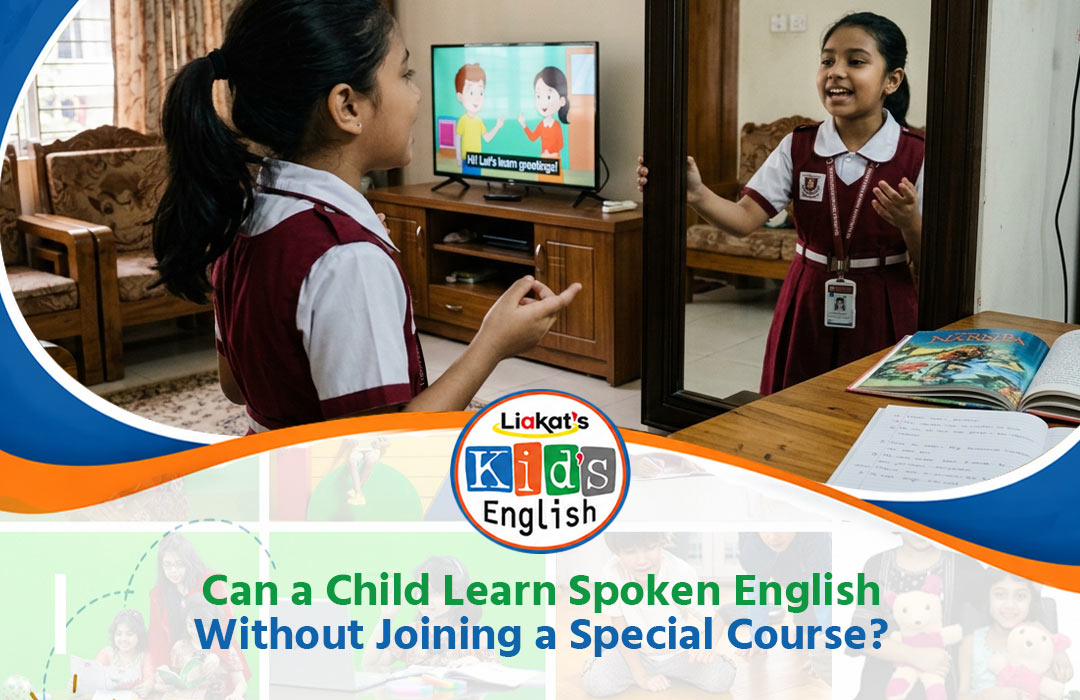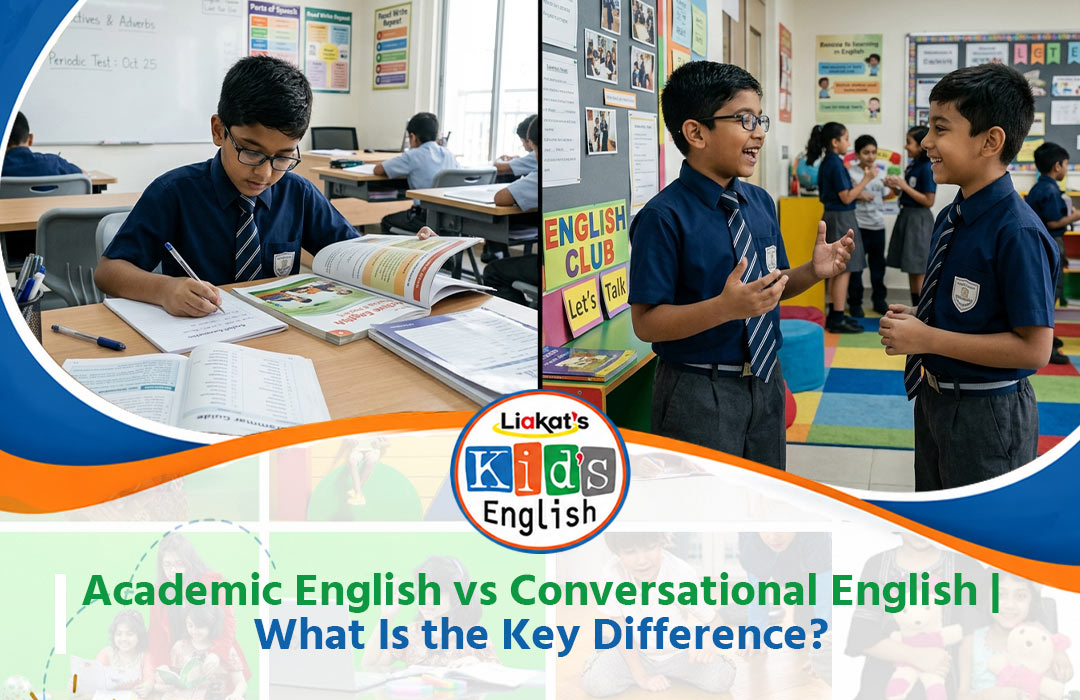
Helping children develop English speaking confidence at an early age is one of the most valuable gifts parents can give. Confident communication not only improves academic success but also shapes a child’s personality, social skills, and future opportunities. However, many children feel shy or afraid when speaking English. The good news is—confidence can be built with the right support, daily practice, and a positive environment.
This guide explains why children struggle, how parents can help, and what proven methods work best to build strong English speaking confidence in children.
Why Many Children Feel Shy Speaking English
Many children hesitate to speak English because they fear making mistakes. Often, they worry about being laughed at or corrected too often. In some cases, English is not spoken regularly at home, which limits exposure and practice.
Additionally, pressure from school or comparisons with other children may reduce confidence. When speaking feels stressful, children naturally become quiet. Therefore, understanding this fear is the first step toward building English speaking confidence.
Importance of Speaking Confidence in Early Age
Speaking confidence developed in early childhood lasts a lifetime. When children feel confident, they express ideas clearly, ask questions, and interact better with others. Moreover, early confidence helps children perform better in school and social situations.
Strong English speaking confidence also improves listening, reading, and writing skills. As a result, children learn faster and enjoy learning English instead of fearing it.
Simple Daily Activities to Encourage Speaking
Confidence grows through small, daily habits. Simple activities can make a big difference:
- Daily conversations in English
- Describing pictures or daily routines
- Storytelling using simple sentences
- Talking about favorite toys or cartoons
These activities should feel natural, not forced. When English becomes part of daily life, children start speaking without hesitation.
How Parents Can Create a Safe Speaking Environment
A safe environment is essential for building English speaking confidence. Children must feel free to speak without fear of correction or judgment. Parents should listen patiently and encourage effort rather than perfection.
Instead of correcting mistakes immediately, gentle guidance should be used. Praising attempts, even imperfect ones, helps children feel valued and motivated to speak more.
Role of Practice and Repetition in Speaking Skills
Confidence improves with practice and repetition. When children repeat words, phrases, and sentences, they become familiar with English sounds and structures. Over time, speaking feels easier and more natural.
Daily repetition through songs, short dialogues, and role-playing builds fluency. Therefore, consistent practice is one of the strongest tools for improving English speaking confidence.
Fun Speaking Games to Build Confidence
Learning through play reduces fear and increases engagement. Fun speaking games make English enjoyable:
- Role-play games (shopkeeper, teacher, doctor)
- Guessing games using simple questions
- Word games and storytelling games
- Singing English rhymes together
These games improve pronunciation, vocabulary, and confidence at the same time. Most importantly, children learn without pressure.
How Mistakes Help Children Learn Better English
Mistakes are a natural part of language learning. Children learn faster when mistakes are accepted as learning opportunities. When mistakes are treated positively, confidence grows automatically.
Instead of saying “wrong,” parents can model the correct sentence naturally. This approach helps children learn correct English without feeling discouraged.
Encouraging Children to Speak Without Fear
Encouragement builds courage. Children should be encouraged to speak English even if sentences are incomplete. Small achievements should be celebrated regularly.
Positive words, smiles, and supportive reactions help children feel safe. Gradually, fear disappears, and English speaking confidence improves naturally.
How School and Home Support Speaking Growth
Both school and home play a vital role. Schools provide structured learning, while homes provide emotional support and practice opportunities. When both environments work together, results improve faster.
Parents can communicate with teachers and reinforce classroom learning at home. This consistency strengthens confidence and improves overall English performance.
Long-Term Benefits of Confident English Speaking
Children with strong English speaking confidence enjoy long-term benefits. They perform better academically, communicate clearly, and build leadership skills. Moreover, confidence opens doors to global education and career opportunities.
Investing time early ensures children grow into confident speakers who are ready for future challenges.
Frequently Asked Questions (FAQs)
At what age should children start building English speaking confidence?
Children can start as early as 3–4 years through simple conversation and play.
How long does it take to see improvement?
With daily practice, noticeable improvement can be seen within 2–3 months.
Should parents correct every speaking mistake?
No. Gentle correction is better than frequent interruption.
Can shy children become confident English speakers?
Yes. With patience, encouragement, and practice, confidence improves steadily.
Are English apps helpful for speaking confidence?
Yes, when used with parental guidance and real conversation practice.
What is the biggest reason children lose confidence?
Fear of mistakes and negative reactions reduce speaking confidence the most.